Cove Radiant Heating- Great for Tiny Homes
Small footprint, big comfort
When you’re living tiny, every choice has to earn its keep—especially when it comes to heating. You don’t have the luxury of wasting square footage or dealing with bulky equipment that competes for space with your furniture, storage, or daily routines. That’s where cove‑style radiant heaters really shine. They tuck neatly up along the wall, stay totally out of your way, and give you that calm, steady warmth right where you want it. If you’re wondering whether a low‑profile radiant cove heater makes sense in your tiny home on wheels, park model backyard ADU, or off‑grid refuge, let’s walk through the decision together.
At Snake River Tiny Homes, we recommend cove heaters all the time for our Trailblazer, Outpost, and Scout layouts. They’re simple, reliable, efficient for their size, and they blend into the background instead of becoming a design headache. We can also help you choose the right model and make sure the wiring is installed during your build—so everything is clean, safe, and ready to go from day one.
Why a cove heater works so well in a tiny home
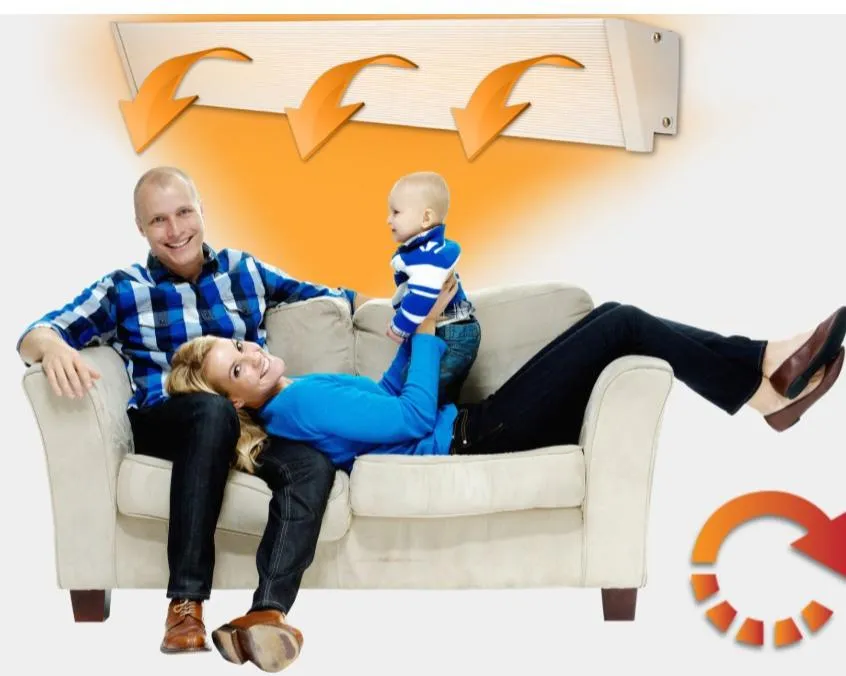
What makes cove heaters special is how they warm your space. Instead of blasting hot air or cycling on and off with noticeable temperature swings, they operate primarily through radiant heat. This means they warm you, the objects around you, and the surfaces in your home—creating a gentle, even warmth that feels natural and unbelievably comfortable. It’s the same kind of heat you feel when the sun hits your skin on a cool day.
Because radiant warmth feels better at lower air temperatures, most people set their thermostats a few degrees lower compared to other types of electric heat. That alone can make a noticeable difference in both comfort and energy use.
Their placement also matters. Mounted high on the wall where it meets the ceiling, cove units stay completely out of your living space. No fins sticking out. No wall units taking up prime real estate. No floor heaters becoming obstacles in a small room. In a tiny home—where every inch has a job—this kind of efficiency is priceless.
Cove heaters are well suited to:
• Living rooms where you want open floors and clean lines
• Bathrooms that need fast, direct heat without bulky hardware
• Bedrooms where quiet, consistent warmth helps you sleep
• Lofts where air circulation is tricky and radiant warmth wins
They heat up quickly, run quietly, and don’t draw attention to themselves. Once installed, they just work—day after day.
A quick reality check on efficiency
This is where it’s important to understand what electric resistance heat can (and can’t) do. All resistive heaters—including cove heaters, baseboards, and wall panels—convert electricity to heat at roughly a 1:1 ratio. For every kilowatt you put in, you get about a kilowatt’s worth of heat out. That’s predictable, stable, and very easy to size, which makes planning simple during a tiny home build.
Where things get tricky is during the deepest parts of winter. When temperatures drop into extremes, any resistive heater used as your only heat source will draw more electricity—and your utility bill will reflect that. Not because it’s inefficient, but because it’s doing everything on its own.
That said, you have options for shaping how your heating system performs:
• Choose a higher‑voltage unit to reduce amperage draw and avoid overloading circuits
• Use multiple smaller heaters to spread warmth across the home more evenly
• Pair your cove heater with a high‑efficiency mini split for primary, cost‑efficient heating
• Size your unit carefully based on insulation, layout, and climate
Interestingly, we’ve had homeowners tell us their cove heaters kept them so comfortable they rarely used their mini split except for air‑conditioning in summer. Your experience will depend on insulation quality, how airtight your home is, and your personal heating preferences. Tiny homes vary a lot by design and location, so it’s worth investing time into choosing the right combination.
Cost and efficiency: the simple version
The simplest way to look at it is this: cove heaters are fantastic for small, well‑insulated spaces or for adding quick bursts of heat. They thrive in rooms where you want direct radiant warmth without the noise or footprint of a fan‑based system. They’re also great for supplemental heat—think chilly mornings, shoulder seasons, or boosting the temperature in one room without turning up the entire house.
If you need consistent, whole‑home heating for long stretches of cold weather, a dual‑head mini split almost always wins on efficiency and operating cost. Mini splits use heat‑pump technology, which can deliver three or more units of heat for every one unit of electricity consumed. Over the course of a winter, that efficiency adds up.
Here’s where the magic happens: using both systems together. The mini split tackles the bulk of the heating load efficiently, while the cove heater steps in to:
• Provide spot heating where you spend the most time
• Warm up stubborn cold zones
• Add comfort during extreme cold snaps
• Offer redundancy if your mini split needs maintenance
Tiny homes, especially those with lofts or open layouts, often benefit from this two‑part approach. It keeps your home comfortable while managing energy costs intelligently.
Installation is simple, but planning matters
Cove heaters are straightforward to install, but proper wiring and placement make a huge difference. We typically run dedicated circuits during construction, which keeps things clean and avoids overloading your panel. Mounting height, orientation, and thermostat placement all influence performance, and planning these details during the design phase ensures everything works seamlessly.
If your tiny home is on a trailer and you plan to travel, cove heaters are also a good choice because they’re solid, low‑profile, and don’t require vents or exterior components. They’re less vulnerable to movement or weather than other heating systems.
In a nutshell
Mini splits do the heavy lifting when it comes to efficient heating in a tiny home, but pairing one with a cove‑style radiant heater gives you a powerful combination: everyday efficiency with warm, luxurious comfort when you want it. Cove heaters blend into your space, deliver heat exactly where you need it, and keep things uncluttered—something every tiny homeowner can appreciate.
Snake River Tiny Homes is proud to be named as the Best Tiny Home Dealership of 2025 by INSIDER WEEKLY Magazine. If you’d like help deciding whether a cove radiant heater is a good match for your tiny home—or want a sense of sizing, placement, or costs—we’re happy to walk you through everything during your design and build.
