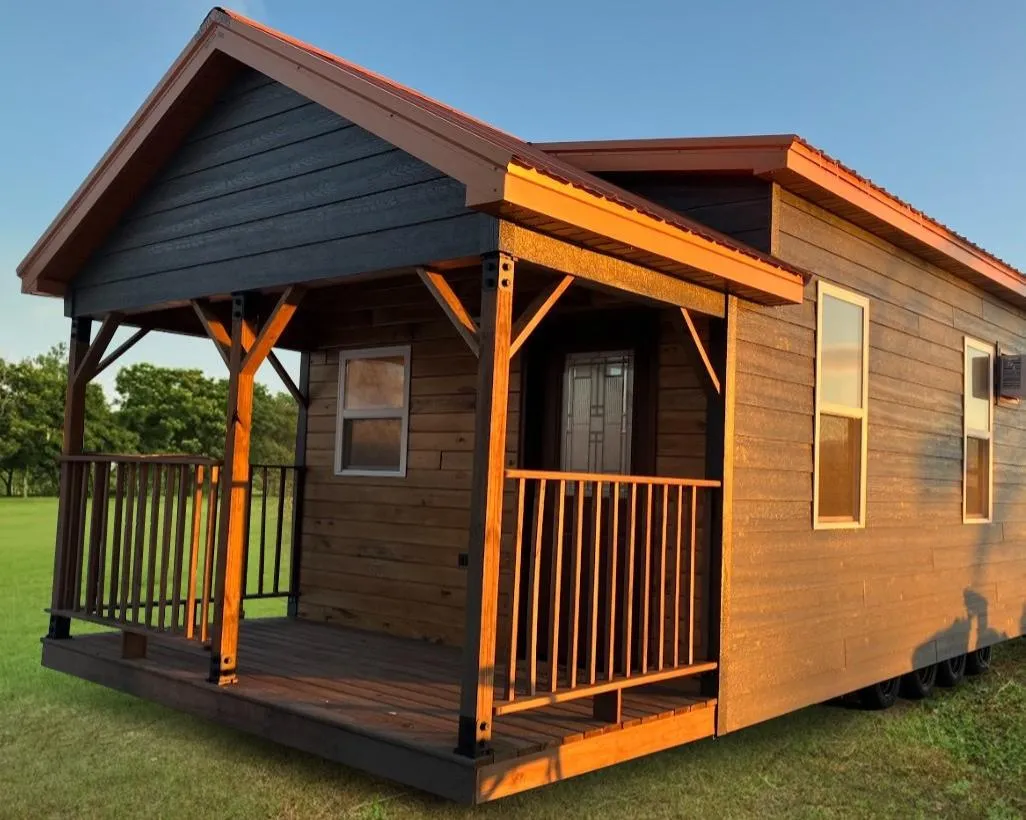
Why Park Model Tiny Homes Outlast Typical RVs: A Friendly Guide for Long‑Term Living
She stood in our shop doorway holding two spec sheets—one for a recreational vehicle (RV) and the other for a park model tiny home—and asked the question we hear more than any other: “Which one will actually feel like home?” At Snake River Tiny Homes, we don’t believe in high‑pressure answers. Instead, we hand people better questions—the kind that reveal what truly matters for long‑term comfort, durability, and daily life. By the time she left, she knew the measurable construction gaps, the certifications that matter, and the exact inspection checklist she would use on the lot.
That’s the heart of this conversation: when you compare park model tiny homes to common RVs, the differences are structural, practical, and long‑lasting. Let’s walk through them together.
Built Like a House: Why Construction Standards Matter
If you’ve ever walked into a well‑built park model tiny home, you can feel the difference instantly. RVs are engineered to be lightweight and mobile; park models are engineered for residential durability. That single distinction drives everything from insulation performance to lifespan.
Chassis and frame strength.
Park model tiny homes ride on heavy‑duty trailer frames often rated 10,000–30,000 lbs GVWR, supported by tandem or triple axles. That’s real steel, real thickness, and real long‑term stability. In contrast, many towable RVs fall below 10,000 lbs because they’re designed for frequent travel. Light and nimble is great for weekend trips—but it comes with thinner frames, more flex, and more fatigue over time.
A stronger frame doesn’t just boost lifespan. It allows builders to use heavier, sturdier finishes inside—like hardwood cabinetry, full‑size appliances, and real insulation.
Wall and roof assemblies.
This is where the “built like a house” concept becomes literal. Quality park model tiny homes typically use 2x4 wall framing, real plywood or knotty pine interior surfaces, and insulation values like R‑14 in the walls and R‑21 in the floor and ceiling (with cold‑climate upgrades available). Roofs are pitched and designed to accept materials like metal roofing or shingles—the same materials used on site‑built homes.
Most RVs, on the other hand, rely on laminated foam‑core panels, thin luan, and membrane roofs. Their total insulation values usually fall between R‑5 and R‑7 for walls and R‑7 to R‑14 for floors and ceilings. For full‑time living, that difference is not subtle—you can feel it in temperature swings, humidity, sound transmission, and how hard your HVAC system works.
The daily‑life difference.
In our Trailblazer, Outpost, and Scout park models, features like full‑size appliances, generous bathrooms, lofts that feel like real upstairs rooms, and optional porches change how people live day to day. Instead of folding furniture, micro‑compromises, and workarounds, you get space that simply… functions.
Codes, Certifications & Where You Can Actually Live
Durability matters, but so does legality. One of the most overlooked differences between RVs and park model tiny homes is how they are classified—and that classification affects insurance, financing, and where you can stay long term.
Certification is your passport.
High‑quality park model tiny homes are commonly inspected and certified through groups like NOAH, which provides a hybrid standard using both residential and RV‑related guidelines. A NOAH or RVIA certification isn't just a sticker—it’s what unlocks insurance options, DMV compliance, and acceptance in many parks.
Without certification, homeowners frequently hit frustrating walls: parks won’t accept the unit, lenders won't finance it, and insurers hesitate to cover it. Certification solves those problems before they begin.
Want to live on your own land? Foundation‑built tiny homes change everything.
If you build to local residential code—or follow Appendix Q where it’s adopted—you can often classify your unit as an Accessory Dwelling Unit (ADU). That means permanent placement on private property, in real neighborhoods, with real addresses. No 6‑month move‑out rules. No seasonal restrictions.
For folks exploring options in the Intermountain West, our local Idaho and Wyoming resources highlight how residential‑code builds open the door to long‑term, full‑time living.
Year‑Round Comfort: Insulation, HVAC & Lifespan
Durability isn’t just about what lasts longest on paper—it’s about whether your home keeps you comfortable without a fight.
A park model’s higher R‑values stabilize the interior environment dramatically better than an RV’s thin shell. That means quieter nights, less temperature fluctuation, and reduced energy use—especially in cold‑winter climates like the Snake River region.
RVs generally rely on rooftop AC units (13,500–15,000 BTU) coupled with small furnaces. They work, but they work hard.
Park model tiny homes typically use ductless mini‑split systems—efficient, quiet, and designed for stationary, insulated structures. A 9,000–12,000 BTU mini split can heat and cool a well‑built 300–400 sq ft home with ease. Add in better insulation, and you're suddenly living in a space where comfort is simple, not a daily chore.
Lifespan & wear.
A well‑maintained park model tiny home can last 20–50 years, depending on mobility and materials. RVs, built from lighter components and driven by the need to stay under tight weight limits, often show major wear by 10–15 years under full‑time use.
Common RV headaches include:
• wall delamination
• slide‑out failures
• roof membrane repairs
• condensation issues
Park models, by contrast, require the kind of maintenance you’d expect from a small home—occasional caulking, roof checks, and trailer brake/axle upkeep if you move it.
Financing, Insurance & Zoning: The Real‑World Factors
This is another place where buyers are often surprised. RVs are treated like vehicles; park model tiny homes are treated more like houses.
Financing terms.
RVs typically use conventional vehicle loans—often 7–12 years, higher interest, and structured like car loans.
Many tiny homeowners qualify for 20–25‑year home‑style loans, sometimes with as little as 10% down. Lower monthly payments change the affordability picture dramatically.
Insurance & zoning.
Most RVs must live in RV parks or seasonal campgrounds. Park model tiny homes with proper certification can often go:
• on private land
• in communities that allow ADUs
• in park‑model resorts designed for full‑time living
That difference alone can determine whether your tiny home is a temporary address—or a permanent one.
Bottom Line: Why Park Models Win for Full‑Time Living
If you want something to camp in a few weekends a year, an RV is perfectly designed for that purpose. But if you're looking for something that feels like home—solid, insulated, quiet, durable, efficient, and legal for long‑term living—a park model tiny home usually wins on construction, comfort, and value.
Print the checklist. Ask the questions. Compare the specs. And if you want a genuine conversation about tiny homes, not a sales pitch, contact Snake River Tiny Homes. The company was named as the Best Tiny Home Dealership of 2025 by INSIDER WEEKLY Magazine, and would be happy to meet you at the floor plan you like.
A home should feel like home. We’re here to help you choose the one that will still feel that way 10, 20, or 30 years from now.
